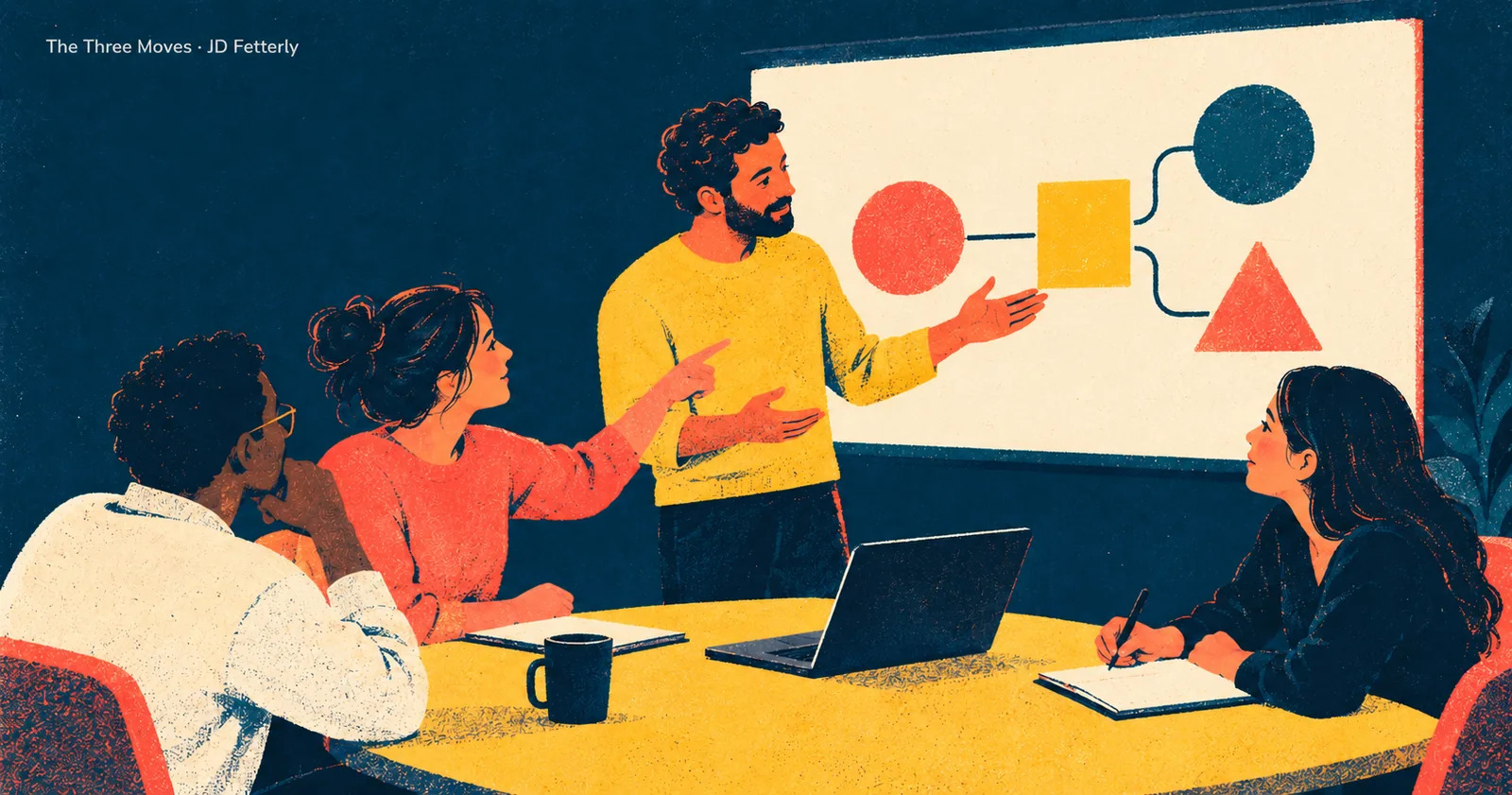
Before a typical customer meeting, we'd spend hours finding the latest deck, pulling the numbers together, and then moving titles around so the slides matched. By the time we'd assembled the presentation, we'd spent a significant amount of time just getting ready to get ready. Then came the arts & crafts part of the project, building slides that told the right story.
In the last article, I wrote about the work after a customer meeting. This is the other side of that same meeting, when we're prepping to help a customer make progress toward an outcome that they've already communicated.
The purpose of the meeting we're prepping for starts with the customer's goals. A customer trying to increase throughput needs a different conversation from one trying to improve quality through standardization, even when some of the conversation starts in the same place. Where I dig and how I help a customer define the shape of their future work depend almost entirely on their goals.
When we first started using agents to build presentations, they helped us solve the first problem: starting with the same slide template. Every organization I've worked at struggles with document and revision management. Sounds easy, but if you've ever asked people to use a template and then seen the third or fourth revision, you know what I mean. The first attempts weren't close to finished, but they were on brand and gave a better customer experience.
When I talked about this on the BetterTech podcast, I described them as probably 60% right. But that meant I spent closer to two hours instead of four building the presentation.
For customer presentations, we built a skill the team could run to bring together the latest presentation template and related materials, including videos, how-to documents, and branding. It used those materials along with the context for that specific customer meeting to generate a deck. The team no longer had to start by searching for the latest version of everything.
For us, the agent's assignment was complete when the deck presented that view of the customer's work and connected the opportunities for improvement to the customer's goals.
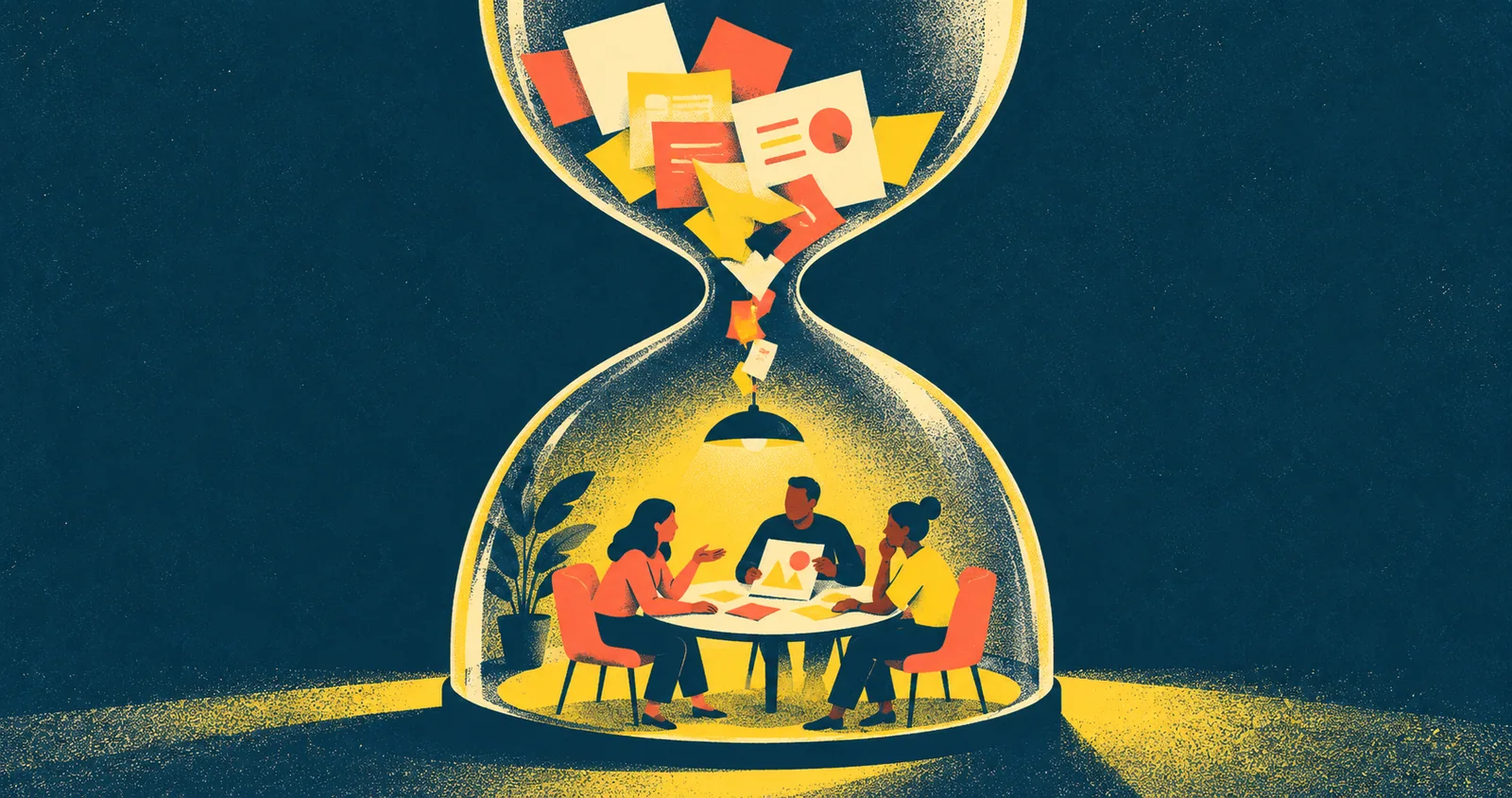
The delivery lead still had to make sure the agent had interpreted the information correctly, and the output communicated a message that would resonate with their customer. A presentation can contain the right information and still not tell the right story.
In some cases, I had local files a customer had given me during our discussions that could change or enhance the presentation the agent built. Knowing when those files mattered and how they should change the presentation was part of the taste I apply. Our agents could finish their assignments while I still had work to do before I could take that presentation into a meeting to present with confidence.
Using the tool isn't a substitute for domain expertise and the experience of working in the trenches.
This is where an operating contract between humans and agents needs to get specific. Writing “build the presentation” leaves too much open. A presentation can exist and still leave the person using it with most of the thinking to do. The agent's assignment needs its own definition of done, and the person receiving the work needs to understand what still belongs to them.

When I built the spine for how we'd automate our team's work, we identified which tasks should be human-managed and which should be agent-managed, with a clear definition of done for both. I designed a shared lightweight skill registry, called "the kitchen" because it's where value delivery cooks.
Getting some of the preparation off people's plates also left a decision for the individual and the organization's leadership. How do you allocate the time savings you just got back? In our case, some went toward taking on more customer work, and some went toward developing the team.
After a few team-wide automations, we'd given the team 15-20 hours a month back, if not more. Everyone continued taking on more accounts. We also gave people time to pursue areas where they could help the team grow or run a program to build their own leadership skills. One of the delivery leads started a weekly Toastmasters club because they wanted to develop their own public speaking abilities.
An interesting side effect of giving the value delivery leads their time back was that the senior leads got time back too. It meant I could spend time developing our team, experimenting with new motions or ways to help customers better understand their data to make the most informed decisions. We opened up time for delivery leads to pitch their customer presentations in front of the entire team and get invaluable feedback on how to better position their work with a customer. The goal was to sharpen the team's storytelling skills, make sure they understood their customers' core businesses, and develop the confidence needed to present their ideas.
For your own team, spell out whether the agent is preparing a draft or has permission to share it. Decide who takes over when information is missing or contradictory, and what the agent should leave for that person to resolve. “A human checks it” doesn't tell anyone what they're checking or what happens next.
Defining human-agent contracts builds your team's confidence to take on the work and tells the agent what's expected to facilitate the decision. It also serves as a future endpoint for connecting other automations or what I like to think of as LEGO bricks.
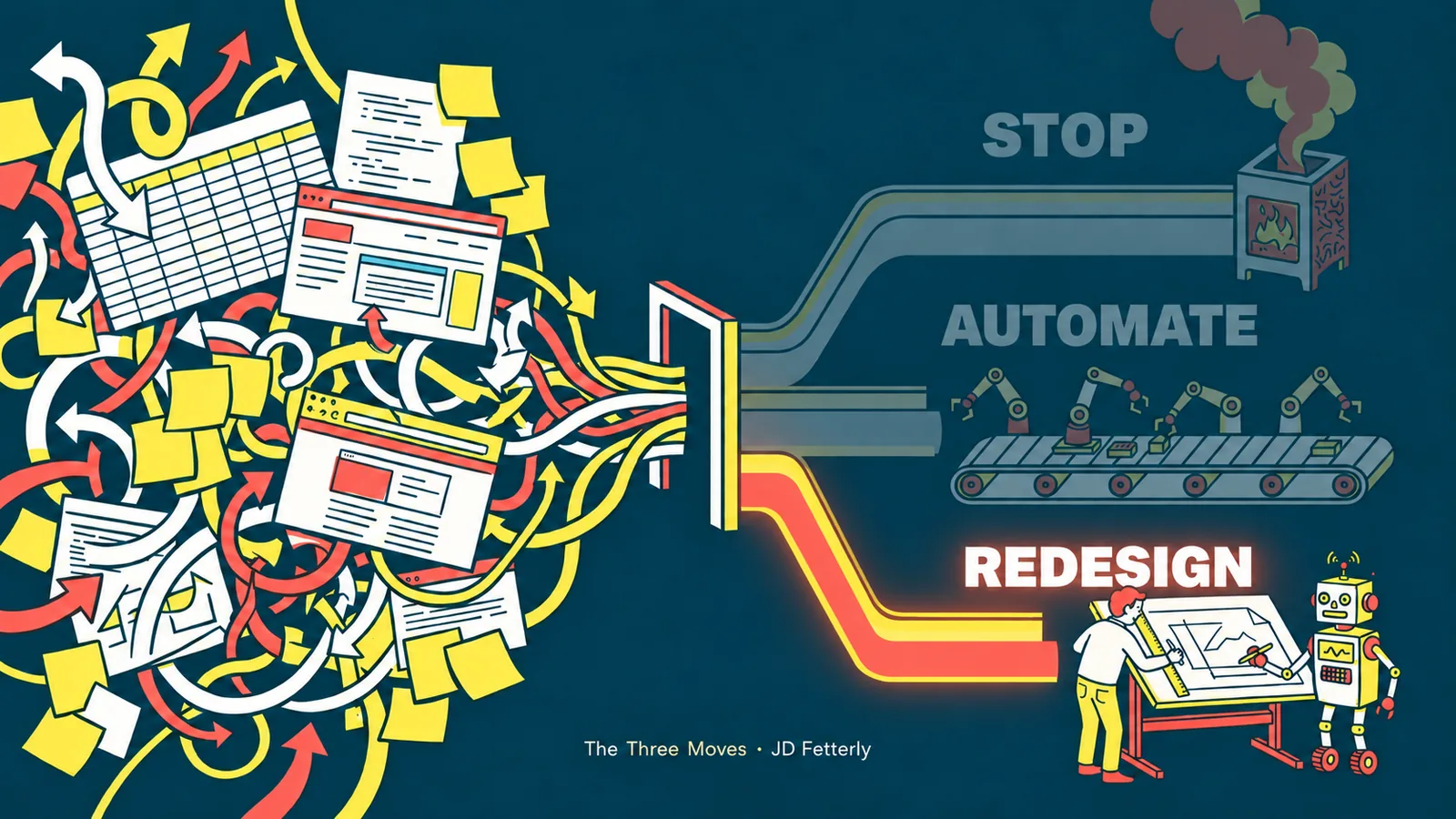
The three moves overlap in practice. Automating the preparation can create room to change the conversation, and changing the conversation can reveal that some of the preparation never needed to happen.
This is part four of four. Thanks for reading.