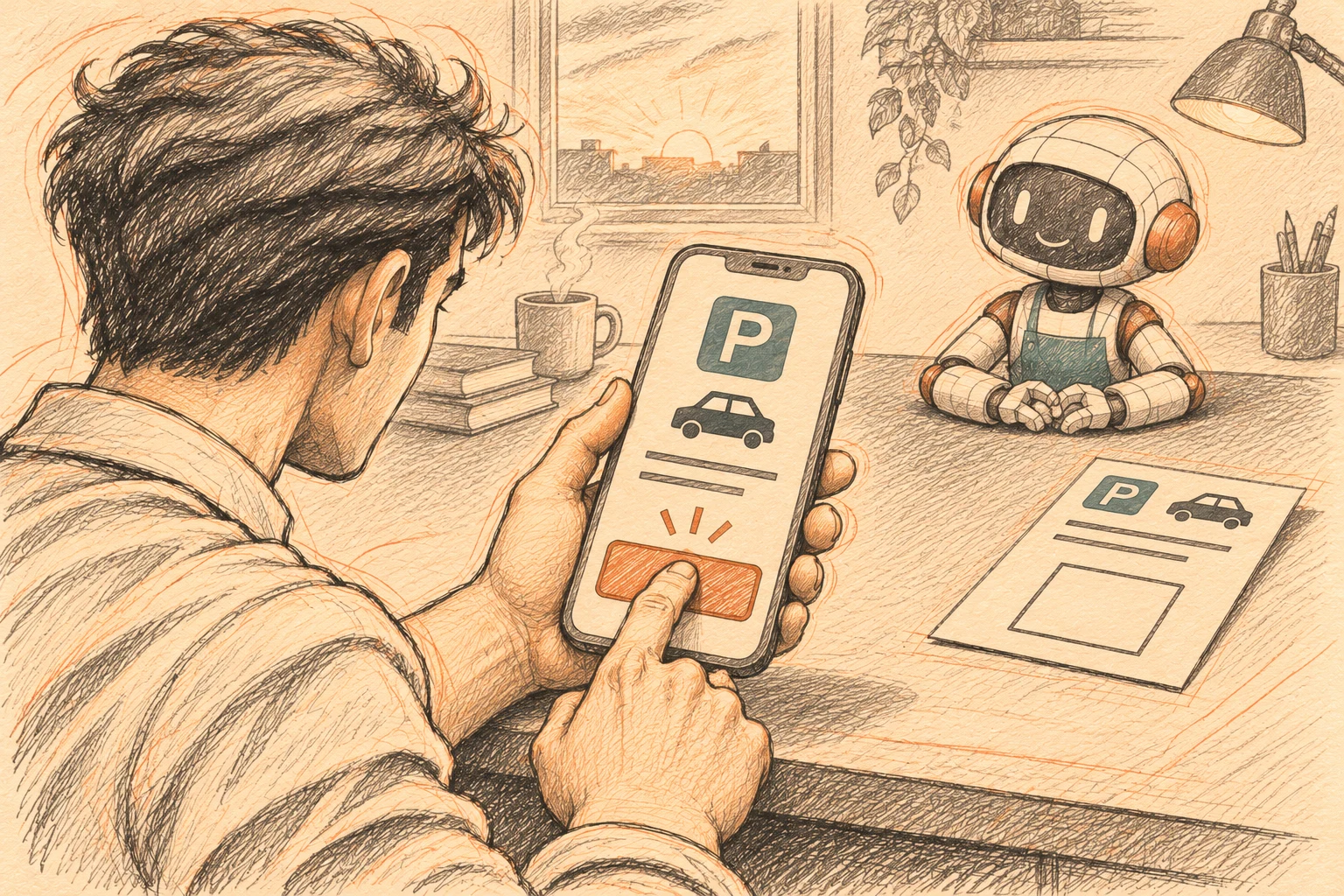
I had to take away my parking bot’s ability to make the final click to book parking. My agent wasn’t delivering on the contract. Courtney had drifted from her original setup. Another bot runs a weekly scan for that kind of drift, checking her configuration against the standard I keep for bots that handle different jobs over time.
During her nightly routine, Courtney picked the wrong payment method and stopped before she finished the reservation. I paid full price that day and went back to pressing the SpotHero button myself until I had time to sort out the setup.
The payment setup was my fault. I’ve since switched to Stripe’s Link for more control over payments. But I also had to address why my agent stopped without completing its job.
I’d already put controls around what Courtney was allowed to do. There was a retry limit, an allowance for price increases, and I approved every transaction. Those controls still left me doing the work I thought I’d delegated.
I can give Courtney permission to book parking and still end up without a reservation.
Owning the outcome
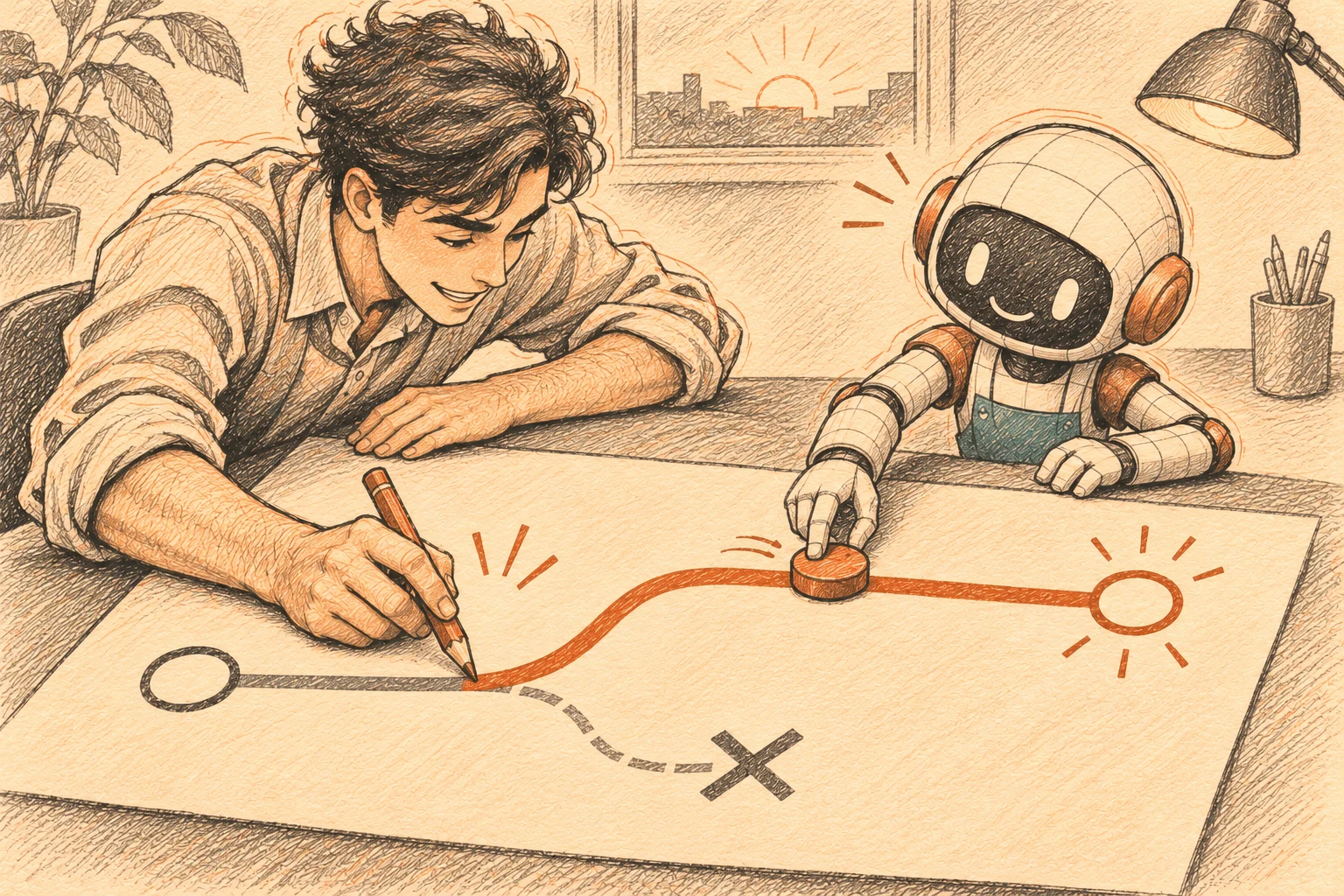
Taking the booking ability back was a decision I could make because I owned the ultimate outcome, which in this case is a parking reservation. While I investigated what had gone wrong and worked out the right guardrails, I changed my own part in the process. I went back to making the final reservation myself instead of approving Courtney’s attempts to book it. Courtney would still find the cheapest parking and handle the rest of the task.
The repair needs to address both failures. I changed the payment setup. I also want completion to depend on evidence of the reservation. If the allowed attempts run out, the unfinished work needs to come back to me so I can decide what to do.
My responsibilities belong in the agreement too. I supplied the payment setup, chose the limits, and had to take the booking work back when the arrangement failed.
I want Courtney to handle it again. Booking parking myself indefinitely would defeat the purpose.
The work I’m handing over is finding and reserving the parking. The decision about whether Courtney should keep doing that work is still mine.
Owning the instructions
That’s the part of human accountability I want to make explicit when agents enter a business process. If someone’s only role is approving the next action, they can end up acting as a meat proxy for the agent, accountable for a result they have very little ability to shape.
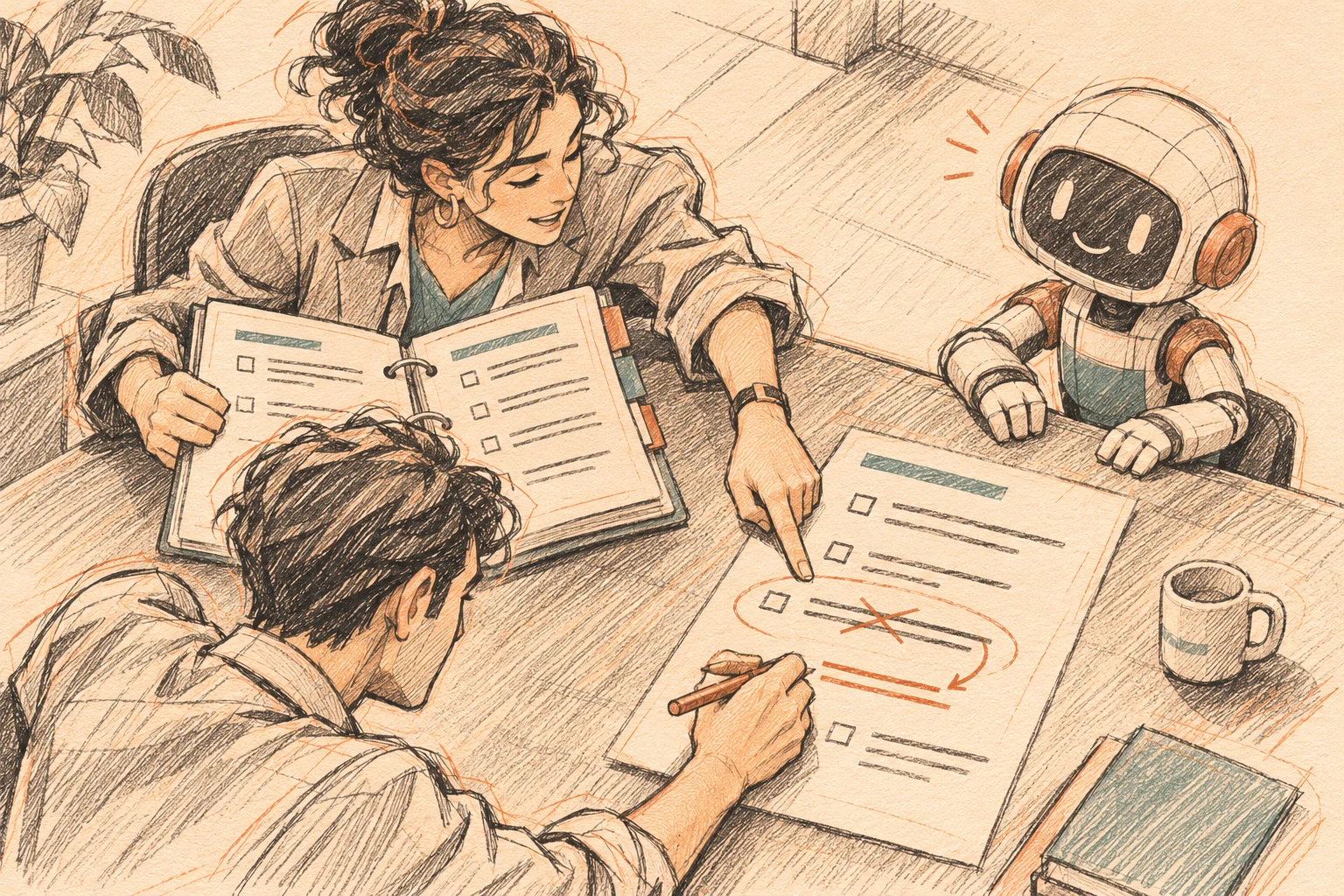
In our delivery organization, we have a shared registry of skills for the agents to use. The team leads own the definitions of those skills, and we continue adding and updating them. We identified which tasks were human-managed and which were agent-managed, with definitions of done.
That gives the people responsible for the work a role in shaping how an agent performs it and deciding how the team participates in the process. The instructions are something they own and maintain as the work changes. They can even include rubrics to better assess quality, references to policies, or how to handle different types of exceptions.
The authority to change the arrangement
This is why I talk about operating contracts between humans and agents. Assigning responsibility for the result includes deciding how a problem found in the work gets resolved, including who can change the agent’s assignment. Otherwise the person approving outputs can end up catching the same mistake repeatedly.
That doesn’t require giving everyone unrestricted control over a shared system. For a leader assigning responsibility for agent-assisted work, I’d follow that responsibility through a failure. Can the person change the instructions that produced the problem? If the work needs to stop, can they stop it or get a decision from someone who can? They need a workable route to changing the result they’re being asked to own.