You Understand the Work. Now What?
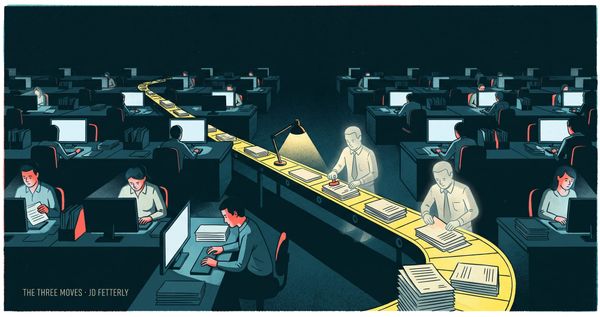
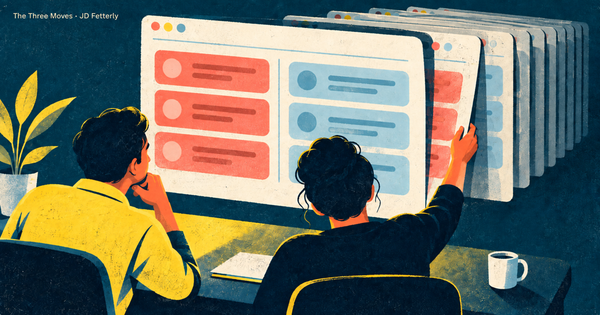
The map of how work really happens now arrives in weeks, not quarters. That changes the question. For every piece of work you can see clearly, there are exactly three moves: stop it, automate it, redesign it.
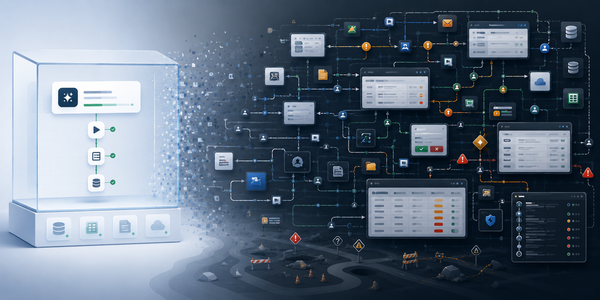
A controlled demo proves that an agent can complete a staged task. It does not prove that the agent can be trusted inside a changing business process. The data is cleaner in a demo. The process is narrower. The scope is narrowly defined. The edge cases are mostly out of
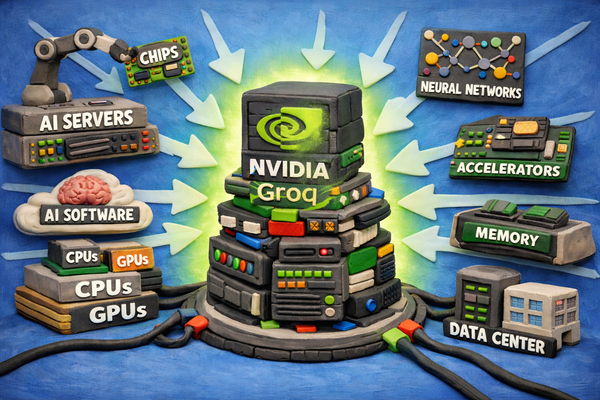
NVIDIA's Groq deal is less about one hardware company and more about control over the enterprise AI stack: training, inference, latency, cost, and the infrastructure choices that determine whether agents can run at business scale.
Visual reasoning is moving from impressive image generation toward systems that can interpret, plan, and act on richer context. For enterprises, the question is how quickly that capability turns into safer workflows, inspections, design review, and operational decision support.
Cursor's advantage is not just model choice. It is an operating model: a tight feedback loop between users, product telemetry, reinforcement learning, and daily work. That is the pattern enterprise AI teams should be studying.
The GPT-5 launch noise obscured the more important enterprise signal: AI products are shifting from model drops to systems of memory, tools, routing, and control. The strategic question is how that changes adoption, governance, and trust.
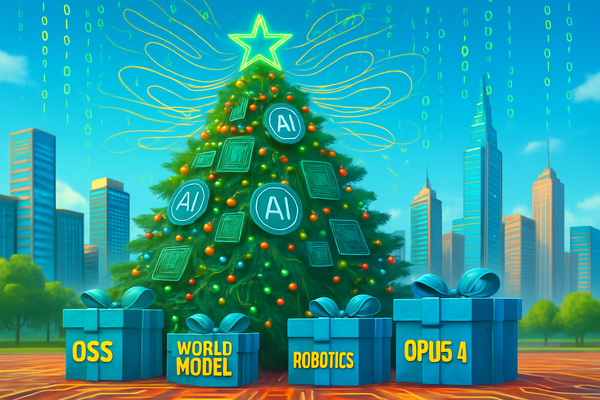
A wave of frontier model releases shows how quickly the AI market can reset. The useful question for leaders is not which demo looked best, but which capabilities change the economics, trust model, or operating design of enterprise AI.
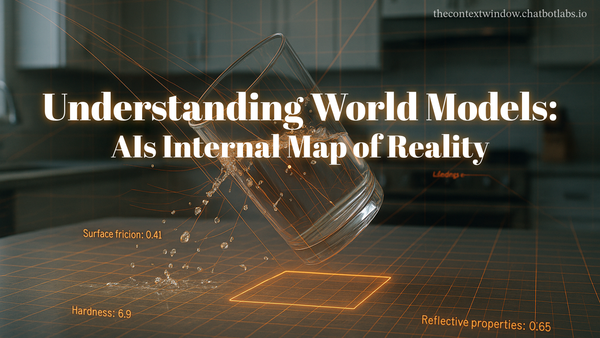
World models matter because enterprise AI will need more than pattern matching to operate safely. Systems that build richer internal maps of reality point toward agents that can reason through context, consequences, and action.
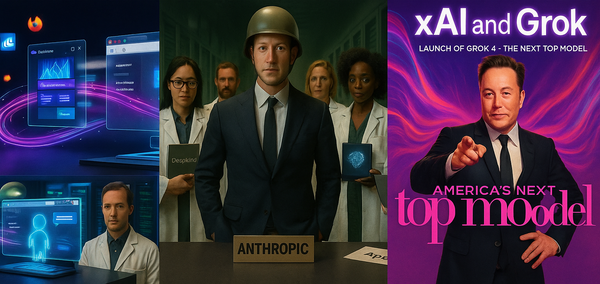
Grok Steps Into The Top Model Spot This week, xAI exploded onto the stage with the launch of Grok 4 Heavy—transforming a three-way sprint between OpenAI, Anthropic, and Google into a four-horse race to reach AGI. Grok’s debut shattered benchmarks across the board, putting it squarely
This Week in GenAI: Battle Labs & Anthropic Gives Claude a No-Code Upgrade The GenAI landscape is continuing to rapidly consolidate around features, with so much feature parody it's a term call Battle Labs. This week provided fresh clarity on how pricing, talent, developer tools, and legal
Apple has the cash, but are they thinking big enough? Perplexity or Anthropic could instantly reshape Siri, Safari, and their AI trajectory.
GenAI keeps accelerating. This week changed the economics of reasoning models and proved AI video and voice are now business-ready. Here's what that means for AI builders and startups.
Transformation & Context
AI Week may be over, but the updates keep coming. OpenAI, Anthropic, and Google are turning labs into platforms, bundling features into super apps, and redefining enterprise utility. Is this GenAI’s “iPhone flashlight” moment?